
Category: Culture & Identity
-

The scrapping of the Free Movement Regime is not just a policy shift but a direct assault on Naga identity, mobility, and sovereignty. Yet this moment of crisis also opens the door for reimagining strategies, languages, and frameworks in the long Naga struggle for self-determination.
-
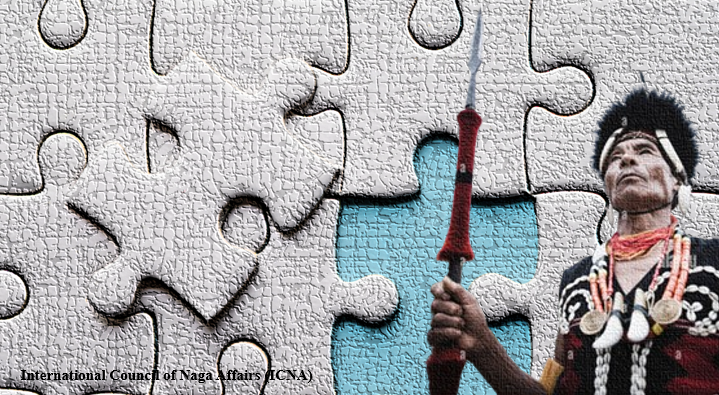
The Naga situation remains a political conundrum—rooted in colonial legacies, defined by resistance, and caught in the enduring tension between survival and sovereignty, history and hope, identity and imposed order.
-
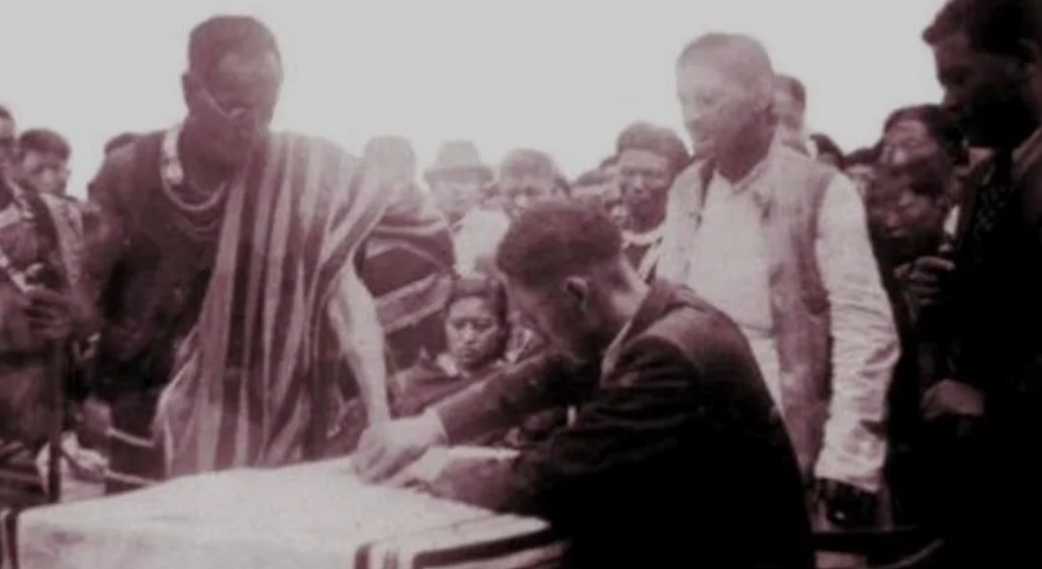
It was one of the most distinctive democratic and raw exercises in Asia’s postcolonial history. There were no guns or coercion—only ink thumb impressions of clarity to define their own destiny as a sovereign Naga Nation.